
Dew point tomorrow by zip code: how muggy the air will feel
Dew point tomorrow by zip code tells you how much moisture will be in the air, which is why it often predicts sticky, muggy conditions better than a single relative-humidity percentage. The most useful planning threshold is around 65 F: once dew points reach that range, workouts, errands, school pickup, and outdoor work usually feel harder than the temperature alone suggests.
Dew point tomorrow by zip code matters because it answers a question that plain temperature misses: will the air feel crisp, manageable, sticky, or oppressive when you are actually outside? If you already use our weather tomorrow by hour, heat index tomorrow by ZIP code, and best time to be outside tomorrow pages, dew point adds the missing humidity signal that explains why some 82-degree days feel easy and others feel like a wet blanket.
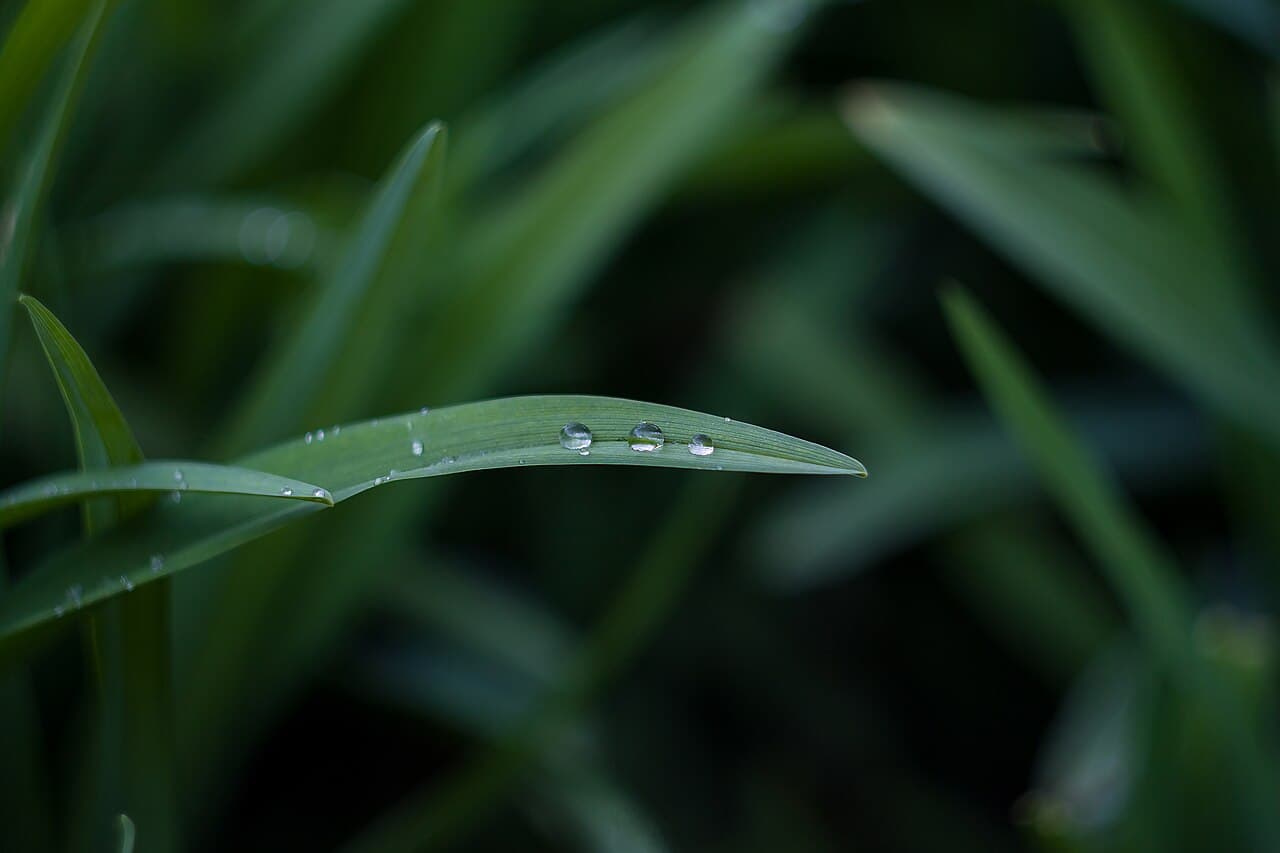
How do you check dew point tomorrow by zip code without getting fooled by humidity percentage?
The simplest mistake is opening a forecast, seeing relative humidity at 85 percent in the morning, and assuming the whole day will feel tropical. Relative humidity is temperature dependent. Cool air saturates more easily than warm air, so a cool sunrise can show high relative humidity without feeling sticky at all. Dew point is different. It measures the moisture content of the air more directly, so it behaves like a steadier planning signal across the day.
That is why meteorologists often use dew point rather than relative humidity to describe comfort. The National Weather Service notes that relative humidity can be 100 percent on a 50 F morning and only 50 percent on a 90 F afternoon while the hotter air still feels much more humid in practical terms. When you want to know whether tomorrow's walk, practice, commute, or yard work will feel sticky, you care more about the moisture load than the percentage alone.
A better workflow is to pull the hourly forecast for your ZIP code, identify the highest dew point during the hours you will actually be outside, and then cross-check it against the temperature trend. If the dew point stays elevated while the temperature climbs, the day usually gets progressively heavier rather than more comfortable. If the dew point is moderate but the temperature spikes, the air may still be hot without feeling swampy. That distinction helps you decide whether tomorrow is a hydration problem, a timing problem, or both.
| Dew point band | How it feels | What it means | Best move for tomorrow |
|---|---|---|---|
| Below 50 F | Dry to very comfortable | Sweat evaporates easily and the air usually feels crisp rather than sticky. | Good window for errands, walks, and steady exercise if other hazards stay low. |
| 50-55 F | Comfortable | Most people still feel fine outdoors, especially with shade or breeze. | Use normal plans, then cross-check heat, sun, and pollen if you are sensitive. |
| 55-60 F | A little noticeable | The air starts to feel softer and more humid, especially after sunset or at sunrise. | Watch how long you stay in direct sun if temperatures are climbing fast. |
| 60-65 F | Sticky for many people | The day can feel muggy even before the thermometer looks extreme. | Shift harder activity earlier and use shade, airflow, and hydration more deliberately. |
| 65-70 F | Muggy to oppressive | Cooling through sweat becomes less efficient and the day often feels heavy. | Treat long outdoor blocks as managed-risk periods, not casual default time. |
| 70+ F | Very oppressive | Heat stress can build quickly, especially on pavement or in poor overnight-cooling patterns. | Pair dew point with our heat and air-quality tools before committing to strenuous plans. |
Is dew point better than relative humidity for tomorrow planning?
For most day-ahead comfort decisions, yes. Relative humidity tells you how close the air is to saturation at its current temperature. Dew point tells you how much moisture is actually in the air mass. That makes dew point a stronger signal when you are deciding whether an afternoon run will drag, whether the evening will stay sticky after sunset, or whether tomorrow's school pickup line will feel rough on asphalt.
This does not mean relative humidity is useless. It matters for dew formation, fog potential, and some cold-weather situations. But for plain-language comfort, the number often misleads people because it swings with temperature. A high percentage during a cool dawn can be harmless, while a seemingly modest afternoon percentage can hide a very muggy air mass. Dew point cuts through that confusion.
Use relative humidity to understand saturation. Use dew point to understand feel. If tomorrow includes exercise, outdoor chores, delivery work, sports, or long periods of waiting outside, dew point is usually the cleaner first-pass screen. Then add our air quality tomorrow by ZIP code and UV index tomorrow by ZIP code pages, because breathing strain and sun exposure can make a high-dew-point day much harder.
| Setup | Example | What it teaches you |
|---|---|---|
| Cool dawn, high humidity | 50 F air temperature, 50 F dew point, 100% relative humidity | The air is saturated, but it does not feel tropical because the moisture content is still modest. |
| Hot afternoon, lower-looking humidity | 90 F air temperature, 69 F dew point, about 50% relative humidity | Relative humidity looks lower, but the day feels much stickier because the moisture content is far higher. |
| Hot and humid after rain | 88 F air temperature, 73 F dew point, light wind | This is the kind of air mass that makes sweat linger, workouts drag, and late-day heat feel oppressive. |
| Dry heat | 95 F air temperature, 45 F dew point | Still hot, but the lower moisture load usually makes shade and airflow work much better. |
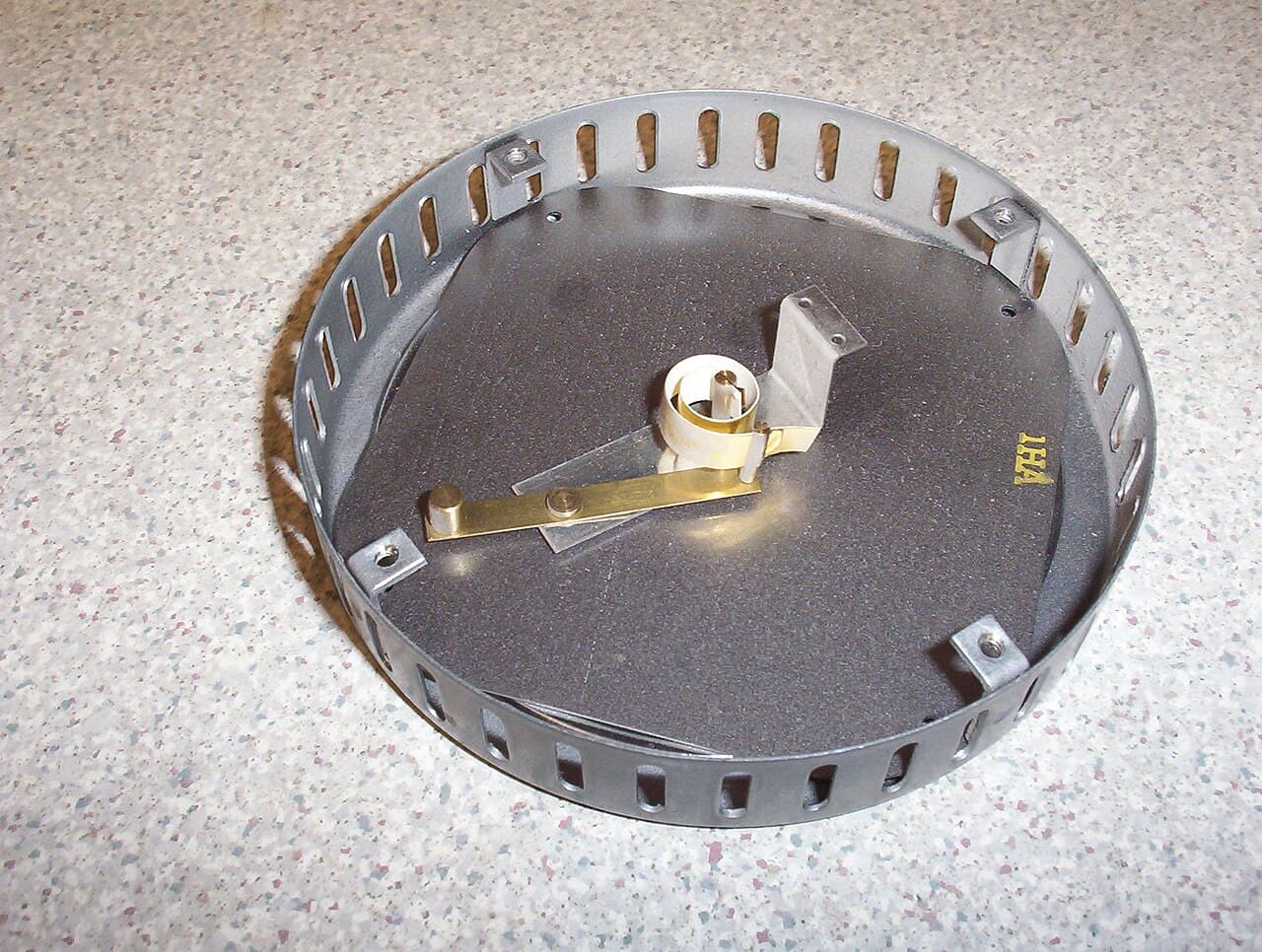
What dew point numbers feel dry, comfortable, sticky, muggy, or oppressive?
Many weather offices use comfort bands that anyone can apply right away. A dew point below about 55 F usually feels dry to comfortable. Around the upper 50s and low 60s, more people start to notice the air. By 65 F, the word muggy becomes accurate for a lot of households. When dew points move into the 70s, the air often feels oppressive because sweat does not evaporate as efficiently and overnight relief becomes much harder.
These bands work because they travel better than relative humidity percentages. A 63 F dew point in Illinois, Georgia, Pennsylvania, or Texas still describes a similar moisture load, even though the exact daily temperatures and local acclimatization differ. The operational question is not whether everyone will complain at the same threshold. It is whether tomorrow's moisture level is likely to change behavior. Once the answer becomes yes, the schedule should change too.
The most useful dew-point question is not "Is this technically humid?" It is "Will this moisture level change how the day feels or functions?"
That is especially true when a modest-looking temperature forecast hides a high dew point. An 84 F afternoon with a 71 F dew point can feel worse than a hotter but drier day. This is why people often say, "It is not the heat, it is the humidity," even though what they are really noticing is a high dew point and reduced evaporative cooling.
Local adaptation still matters, but it does not erase the forecast signal. Someone living in the Southeast may tolerate a 67 F dew point better than someone who spent the last month in a drier pattern, yet both people are still dealing with more moisture in the air and less efficient cooling. That is why dew point works well for planning across different states: it does not tell you exactly how miserable every person will feel, but it does tell you when tomorrow's air mass deserves more respect than the raw temperature would suggest.
How does dew point tomorrow change heat index, workouts, clothing, and outdoor decisions?
Dew point matters because it changes how effectively the body can cool itself. Higher moisture in the air slows sweat evaporation. The result is that the heat index rises faster, physical effort feels harder earlier, and recovery takes longer. If tomorrow's dew point is already in the low-to-mid 60s by breakfast and climbs into the upper 60s or 70s later, the difference between a tolerable day and a draining one often comes down to timing.
This is where dew point becomes a practical bridge between tools. Check dew point to understand how sticky the day will feel, then use our heat index guide to see how dangerous the hottest block could become, and our what to wear tomorrow weather guide to decide whether the day calls for lightweight layers, breathable fabrics, or a change of clothes for commuting.
Dew point also matters after sunset. When it stays high overnight, the body loses one of its best recovery windows. Bedrooms feel stuffier, evening dog walks stay sticky, and crews starting early the next morning may begin the day already behind on cooling. That is why dew point is not just a runner's metric or a meteorologist's detail. It is a planning variable for households, athletes, schools, and outdoor workers.
| Tomorrow scenario | Dew point signal | Main risk | Better move |
|---|---|---|---|
| Morning run or walk | 60-68 F before sunrise | You start the day already sweating and recover less between intervals. | Go shorter, go earlier, or lower pace before the air turns heavy. |
| School drop-off or commute | Near the overnight low with light wind | Fog or windshield condensation slows driving and lowers visibility. | Leave a few minutes early and treat fog pockets as a route problem, not just a windshield issue. |
| Afternoon practice or jobsite work | 65-72 F during the hottest block | Heat index rises fast and sweat cools the body less effectively. | Front-load harder work, add shade breaks, and shorten the hottest exposure block. |
| Evening errands or yard work | Remains elevated after sunset | The air never really resets, so the day feels heavy well into the evening. | Split the job or move it to the next lower-dew-point window instead of assuming night fixes everything. |
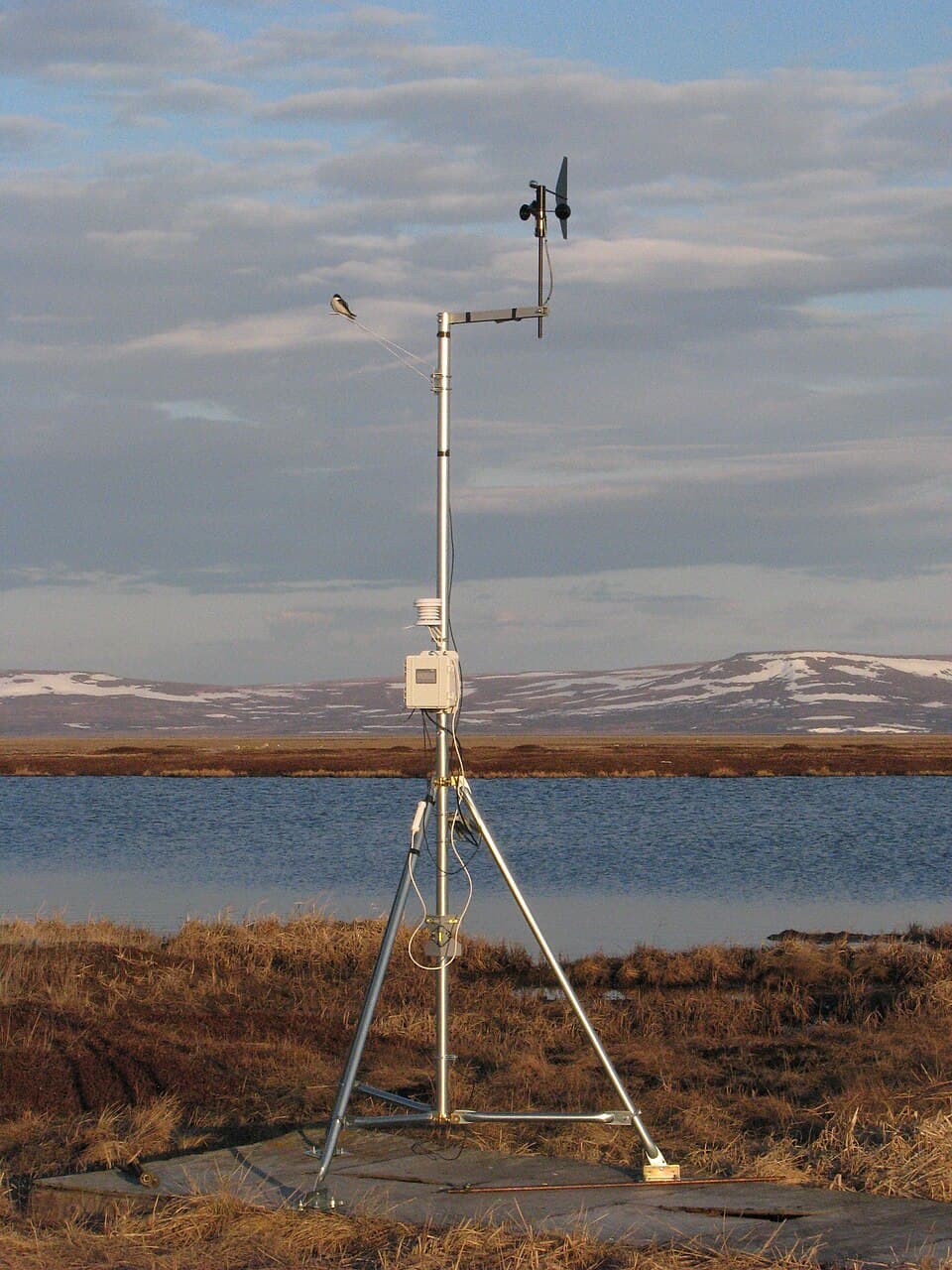
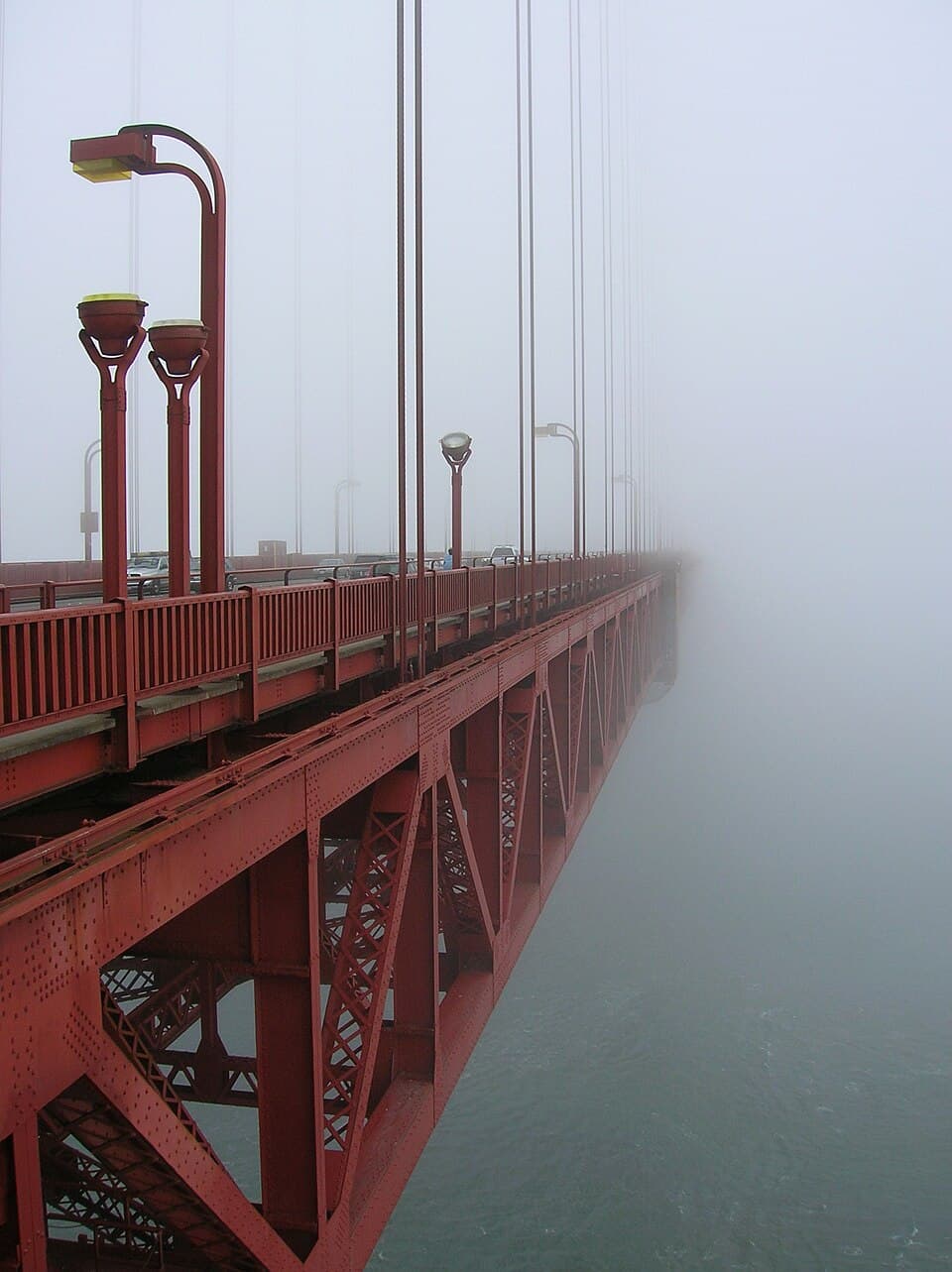
Can dew point tomorrow warn you about fog, dew, windshield condensation, and low morning visibility?
Yes, especially when the overnight temperature is forecast to cool close to the dew point. Radiation fog forms when the surface cools enough to bring near-surface air to saturation, and the National Weather Service notes that light winds and clear skies are classic ingredients. High dew points alone do not guarantee fog, but they reduce the amount of cooling needed to reach saturation. That is why a humid evening can turn into a fog-prone sunrise.
This matters more than many people think because fog is often a route problem rather than a whole-city problem. One bridge, a creek valley, a wetland edge, or a rural two-lane can have much lower visibility than the rest of the metro area. If you see a small temperature-dew-point spread overnight, treat the next morning commute as potentially slower even if the daytime forecast looks ordinary.
Dew on grass, windshield moisture, and low cloud bases operate on the same basic idea: the air is near saturation. So if tomorrow begins with a high dew point, light wind, and a cooling night, you may need extra drive time or a less flood-prone, less fog-prone route before work or school.
| Signal | Why it matters | Where it usually shows up first |
|---|---|---|
| Temperature forecast narrows to within a few degrees of dew point overnight | Air near saturation is more likely to produce dew, low clouds, or patchy fog. | Valleys, fields, river bottoms, and areas near lakes or wetlands |
| High dew point plus light wind and clear overnight skies | Radiational cooling can bring surface air to saturation before sunrise. | Rural roads, bridges near water, and low-lying suburban corridors |
| Rain ended during the evening and dew point stays high | Ground moisture and calm air can keep visibility lower the next morning. | Parking lots, airport approaches, and low-visibility commuter routes |
What should a nightly dew-point planning workflow look like?
1. Check the peak dew point, not just the daily range
Start with the hour you will be outside the longest. One bad two-hour block matters more than a calm daily average.
2. Pair dew point with the temperature trend
A 62 F dew point under cloudy 74 F weather is not the same experience as a 62 F dew point under bright 89 F weather. The moisture number works best when read beside the temperature ramp.
3. Add heat, air quality, and wind only after that
Check the heat index, air quality, and wind chill pages only after you know whether humidity is making the day heavier or whether another hazard dominates instead.
4. Decide whether timing or intensity is the real problem
Some days only need a one-hour shift. Other days need a shorter route, lower pace, more shade, or a full reschedule.
5. Review how the day actually felt
If the air felt worse than expected, note the dew point, location, and surface type. Repeating that comparison for a week is one of the fastest ways to build a better personal threshold for muggy weather.
FAQ: dew point tomorrow by zip code
How do I check dew point tomorrow by zip code?
Start with the hourly forecast for your ZIP code and look for the highest dew point during the hours you actually plan to be outside. That is more useful than looking at one daily humidity percentage because dew point tracks how much moisture is in the air, not just how close the air is to saturation at one temperature.
Is dew point better than relative humidity for tomorrow planning?
Usually yes. Relative humidity changes a lot as temperature changes, so it can look high on a cool morning and modest on a hot afternoon even when the air contains plenty of moisture. Dew point is steadier, which is why meteorologists often use it to judge whether the day will feel dry, comfortable, sticky, or oppressive.
What dew point feels muggy or oppressive?
Many National Weather Service offices describe dew points below about 55 degrees Fahrenheit as comfortable, the upper 50s to low 60s as noticeable, and 65 degrees Fahrenheit or higher as muggy to oppressive. Once dew points push into the 70s, people usually feel the air immediately, especially if the sun is out and nighttime cooling was weak.
Can dew point tomorrow warn you about fog?
It can be a strong clue when the overnight temperature is expected to cool close to the dew point and winds stay light. That combination makes saturation easier, which raises the chance of dew, low clouds, or patchy radiation fog in valleys, near water, and around open fields.
How does dew point tomorrow affect workouts and heat index?
Higher dew points make sweating less effective because the air is already holding more moisture. That can push the heat index higher, slow cooling during runs or jobsite work, and make a routine afternoon plan feel much harder than the plain temperature forecast suggests.
Authoritative references
For official dew-point and humidity guidance, review the National Weather Service explanation of dew point versus relative humidity, the NWS dew-point comfort guide, the NWS radiation fog safety page, and the NOAA Weather Prediction Center dew point and relative humidity calculator.