
Your winter car emergency kit checklist for storm travel
A complete winter car emergency kit checklist should prioritize warmth, visibility, traction, hydration, and communication so you can stay safe if you are stranded or delayed in cold conditions.
Drivers who pre-pack item quantities, storage zones, and replacement dates are more likely to keep critical supplies usable when freezing weather, battery failures, and low-visibility travel happen together.
A winter car emergency kit checklist gives you a repeatable system for cold-weather driving, not just a random trunk pile. If you already use our hourly tomorrow forecastand rain probability view, this guide adds the missing piece: exactly what to carry, how much to pack, where to store it, and when to rotate each item so your kit works under real winter stress.
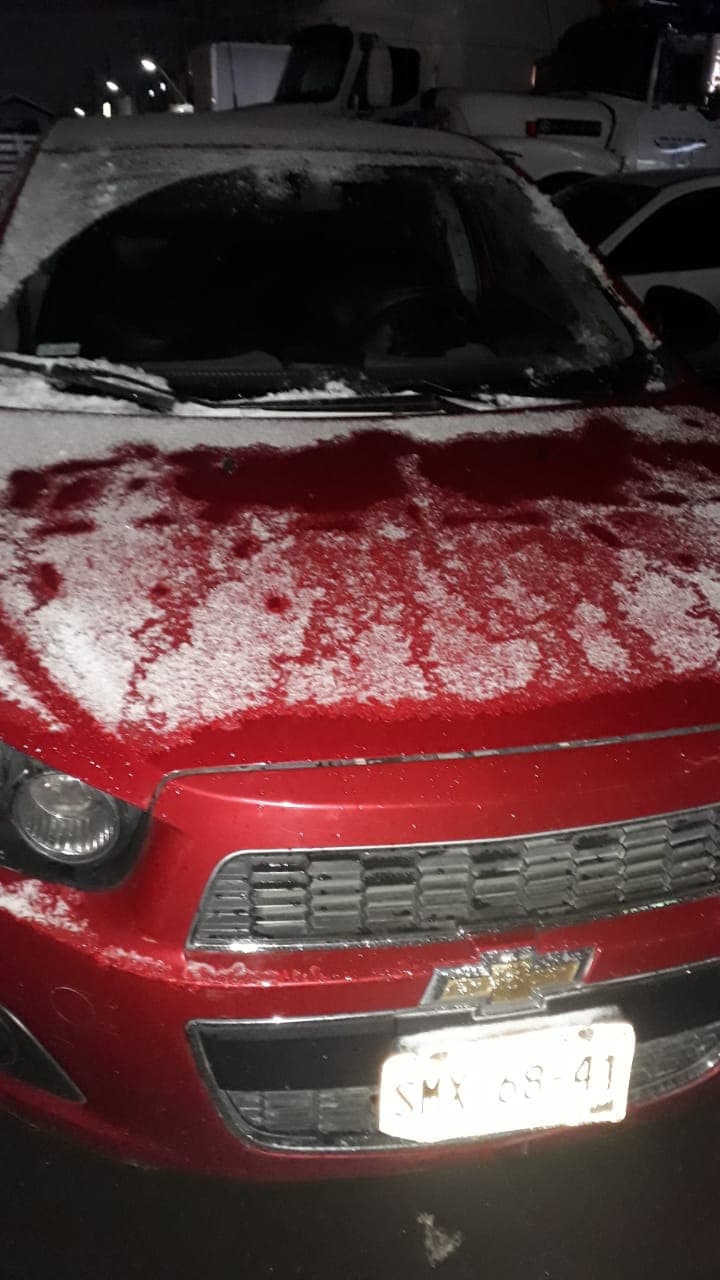
What should be in a winter car emergency kit checklist?
The most reliable approach is to group your winter emergency car kit into six functional categories: warmth, hydration and calories, power and communication, traction and recovery, visibility and signaling, and medical basics. Grouping prevents over-packing duplicate gear while still covering the failure points that appear most often in winter incidents: dead batteries, low traction, long traffic standstills, and rapid temperature drop.
Ready.gov recommends one gallon of water per person per day for emergency planning and emphasizes maintaining accessible emergency supplies before severe conditions develop. NHTSA also highlights winter-driving readiness, including battery reliability, visibility tools, and traction support before trips. Use those agency principles as your baseline, then customize by route length, road type, and rider needs.
| Item | Quantity | Why it matters | Rotation rule |
|---|---|---|---|
| Insulated gloves + hat + spare socks | 1 set per rider | Hands and feet lose heat quickly in stalled vehicles. | Check fit every season; replace wet or worn items immediately. |
| Thermal blanket or sleeping bag | 1 per rider | Core warmth preserves decision-making and dexterity. | Air out each season and replace damaged insulation. |
| Water (sealed bottles) | At least 1 gallon per person/day baseline | Dehydration worsens cold stress and fatigue. | Every 6 months or sooner if container is compromised. |
| Shelf-stable snacks (bars, nuts, crackers) | 24-hour buffer per rider | Maintains energy and alertness during delays. | Every 3-6 months based on expiration dates. |
| Flashlight or headlamp + extra batteries | 1 light + backup cells | Hands-free visibility during tire or chain work. | Battery test monthly; replace cells at 50% output. |
| Phone charging kit (12V + cable + power bank) | 1 set | Keeps maps, alerts, and emergency calls available. | Charge power bank monthly; test cables each trip cycle. |
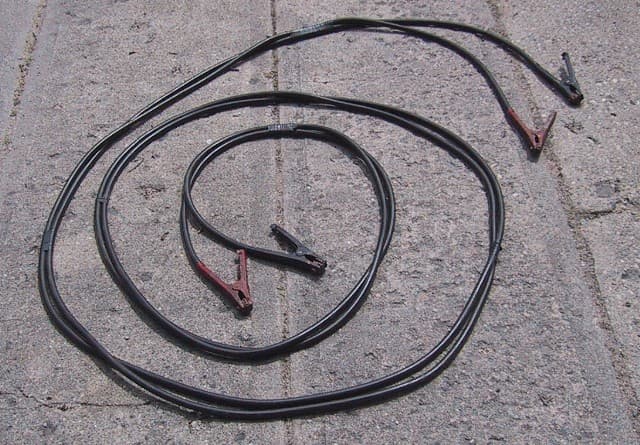
| Jumper cables or jump starter | 1 set | Cold weather reduces battery performance. | Inspect clamps and insulation each month. |
| Ice scraper + compact shovel | 1 each | Enables windshield clearing and tire release from snow. | Inspect edges and handles at start of winter. |
| Traction aid (sand/cat litter/traction mats) | 1 bag or 2 mats | Improves grip on ice or packed snow. | Keep dry; replace soaked or frozen material. |
| Reflective vest, triangles, and whistle | 1 vest + 3 triangles | Improves roadside visibility in low light. | Check reflectivity and cracks every season. |
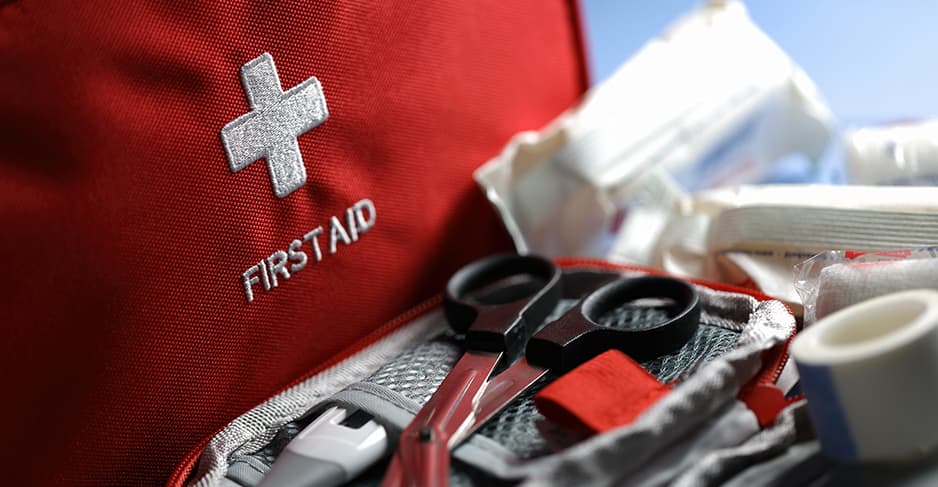
| First-aid kit + personal medications | 1 kit + personal doses | Minor injuries escalate in cold environments. | Check meds monthly and replace expired products. |
| Paper map + emergency contacts card | 1 each | Backup navigation and communication if signal drops. | Update contacts and route notes quarterly. |
If you want the shortest practical list, never skip the items that preserve body heat, keep your phone charged, and improve roadside visibility. Those are the first controls that reduce escalation risk while you wait for assistance or safer driving conditions.
How much water and food should you keep in a winter car kit?
For short urban commutes, many drivers under-pack because they assume help is always ten minutes away. In real storms, closures and multi-car incidents can extend delays well beyond normal response windows. A practical planning floor is one gallon of water per person per day and enough shelf-stable calories for at least 24 hours. You can scale up for children, older adults, medical conditions, or routes with sparse services.
Choose foods that remain edible in low temperatures: nut butter packs, dense bars, trail mix, crackers, and electrolyte mix packets. Avoid glass containers, foods that become impossible to open with gloves, and anything that depends on heating. Label every item with a replacement month so rotation is a 3-minute check instead of a memory exercise.
During freezing weather, hydration often gets ignored because people feel less thirsty. That is a mistake. Mild dehydration can increase fatigue and reduce concentration at exactly the point when you need good judgment. Keep water containers insulated from direct metal surfaces in the trunk to reduce freeze stress and leakage.
Where should emergency supplies be stored inside a car?
Driver-reach zone (within 30 seconds)
Store your phone power bank, charging cable, flashlight, reflective vest, and contact card where you can reach them without exiting the vehicle. In a whiteout or shoulder stop, this zone determines whether you can quickly communicate, signal, and stay visible.
Cabin support zone (within 2 minutes)
Keep gloves, hat, blanket, basic snacks, and water in a soft bag behind the front seats or under a rear seat. This zone supports immediate warmth and calories if the trunk is jammed by luggage, snow, or rear-end impact.
Trunk recovery zone (full kit)
Place shovel, traction aids, jumper cables, larger food/water reserves, and deeper repair tools in a secured trunk bin. Use smaller pouches with labels like "Power", "Medical", and "Traction" so you can grab what you need quickly instead of unpacking everything in freezing wind.
Transition this storage layout into your routine: after each fuel stop, confirm the driver-reach zone is intact. After each weekly commute cycle, confirm the trunk recovery zone has not been displaced by groceries, sports gear, or luggage. Good placement matters as much as item quality.
Do you need different kits for city commuting vs rural driving?
Yes, and this is one of the most important upgrades you can make. A city commute kit can be compact because fuel, lighting, and roadside services are usually closer. Rural, mountain, or late-night routes need longer-duration supplies and stronger self-recovery capability, since wait times and communication gaps can grow quickly.
| Driving profile | Minimum kit duration | Extra gear to add | Primary risk addressed |
|---|---|---|---|
| Daily city commute | 8-12 hours | Compact shovel, blanket, power bank, light traction aid | Gridlock and short roadside delays |
| Suburban mixed routes | 12-24 hours | Extra water, full food buffer, reflective triangles | Variable response time and weather swings |
| Rural or mountain travel | 24-48 hours | Heavier insulation, traction mats, larger calorie reserve | Long waits and low service density |
| Family travel with children | 24 hours minimum | Child-safe hydration/snacks, extra layers, comfort items | Higher thermal and hydration sensitivity |
Think in terms of consequence, not convenience. If the route has poor shoulders, weak signal coverage, or long winter closure history, increase supplies even if your trip is usually short.
How often should you replace winter emergency kit items?
The strongest kits fail because maintenance gets deferred. Set a fixed cadence: a five-minute monthly check and a 30-minute seasonal reset. Monthly checks cover batteries, charging cables, gloves, and visibility gear. Seasonal resets cover food and water rotation, medication dates, insulation condition, and any items used during breakdowns. If you drive frequently, align checks with oil changes or monthly budget reviews.
Create a one-line log in your notes app with the date and three fields: "consumables replaced," "power tested," and "missing items." This simple habit eliminates the most common failure mode: assuming supplies are present because they were present months ago.
Emergency kits fail quietly. They look complete until the night you need a dry blanket, a working flashlight, and a charged phone at the same time.
How should forecast conditions change what you pack tomorrow?
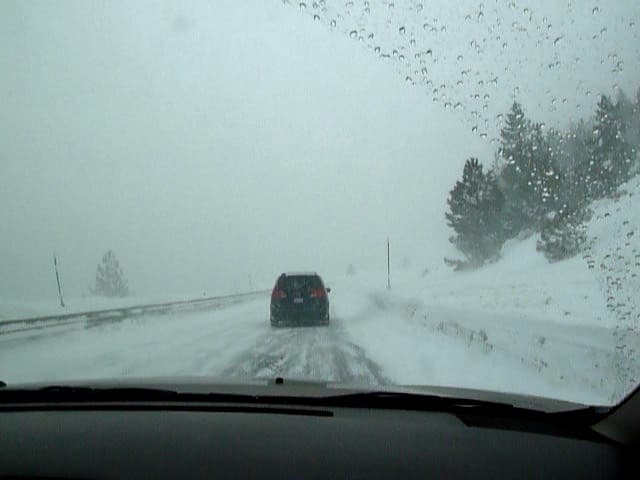
Your kit is the baseline; tomorrow's forecast is the multiplier. Before winter travel, check expected hourly temperatures, precipitation timing, and wind shifts. If your route includes early freezing windows, add one insulation layer per person. If the storm window overlaps commute peaks, increase water and calorie buffers. If rain-to-snow transitions are likely, prioritize traction and visibility items at the top of your bag.
Use a two-step prep flow: first review our rain timing page and best-time-outside window to identify your travel risk period, then adjust kit access order for that window. This method keeps your cold weather car preparedness practical, fast, and repeatable.
For source-based safety details, review Ready.gov car emergency guidance, NHTSA winter driving tips, CDC winter weather safety, and National Weather Service winter safety resources. These references are useful for validating item categories, cold exposure precautions, and travel decision checkpoints.
What are the biggest mistakes drivers make with winter emergency car kits?
Packing once and never rotating
Expired food, dead batteries, and opened supplies are the most common hidden failure points. A packed bin is not the same as a ready kit.
Putting all critical items in the trunk
If your trunk is inaccessible after a slide-off or snow pileup, you lose essential tools. Keep one compact "first five minutes" pouch inside the cabin.
Ignoring route-specific risk
Drivers often pack for average conditions instead of worst plausible delay duration on their actual route. Kits should be sized for consequence, not routine.
No communication backup
A dead phone with no contact card or paper route fallback turns minor delays into high-stress decision failures. Keep a printed emergency contact card and key route notes in a waterproof sleeve.
FAQ: winter car emergency kit checklist
What should be in a winter car emergency kit checklist?
Include warmth, power, traction, hydration, food, visibility, and communication basics. At minimum, pack layers, blankets, water, calorie-dense snacks, a shovel, ice scraper, flashlight, jumper cables, phone power, and reflective safety gear.
How much water and food should you keep in a winter car kit?
Plan at least one gallon of water per person per day as a planning baseline, then adjust for available trunk space and expected travel duration. Add shelf-stable snacks that can tolerate cold temperatures and rotate them every three to six months.
How often should you replace winter emergency kit items?
Run a quick monthly check and a deeper seasonal reset in fall and late winter. Replace expired food, dead batteries, opened medications, and any item that got wet, cracked, or used during a roadside event.
Where should emergency supplies be stored inside a car?
Put frequently used items where you can reach them from the driver seat, and keep heavier gear secured in the trunk. If you can only access part of the kit during a storm, prioritize warmth, light, communication, and visibility first.
Do I need different kits for city commuting vs rural driving?
Yes. City commuters can carry a lighter setup focused on short delays, while rural or mountain drivers need longer-duration supplies, more traction tools, and extra insulation because help can take longer to arrive.
Quick action plan for tonight
- Open your trunk and remove anything that blocks access to emergency supplies.
- Build your first five-minute cabin pouch: light, power bank, vest, gloves, and contact card.
- Set a monthly reminder labeled "winter kit check" and a seasonal reminder for full rotation.
- Check tomorrow's route risk and weather timing before you leave, then move priority items to the top.