
Air quality tomorrow by zip code: AQI planning guide for daily decisions
Air quality tomorrow by zip code is most useful when you plan around hourly AQI changes instead of a single daily number. The biggest risk reduction comes from shifting high-exertion outdoor time away from peak AQI windows and adjusting plans for sensitive groups early.
Air quality tomorrow by zip code should be treated as a scheduling tool, not just a number on a weather app. When you combine an aqi forecast tomorrow with hourly weather timing, you can move runs, school pickups, yard work, and outdoor shifts into cleaner windows that reduce total exposure without canceling your day. If you already use our weather tomorrow by hour, rain timing page, and best time outside planner, this guide adds the missing AQI layer for safer day planning.

How do you check air quality tomorrow by zip code in a way that improves decisions?
Most people search an air quality index by zip code once, see a single category, and move on. That approach misses the decision detail you actually need. AQI is exposure-aware, so the same forecast category can be acceptable for a short errand but risky for a two-hour run, outdoor labor block, or youth sports practice. The practical move is to map your day into time segments and assign each segment a risk action before tomorrow starts.
Start with four blocks: early morning, late morning to afternoon peak, late afternoon, and evening. Then place fixed obligations first, such as commute or school pickup. Finally, place flexible activities in the cleanest projected block. This simple sequence turns air quality planning from passive checking into operational scheduling. It also reduces decision fatigue because you are not making repeated ad hoc choices in the middle of the day.
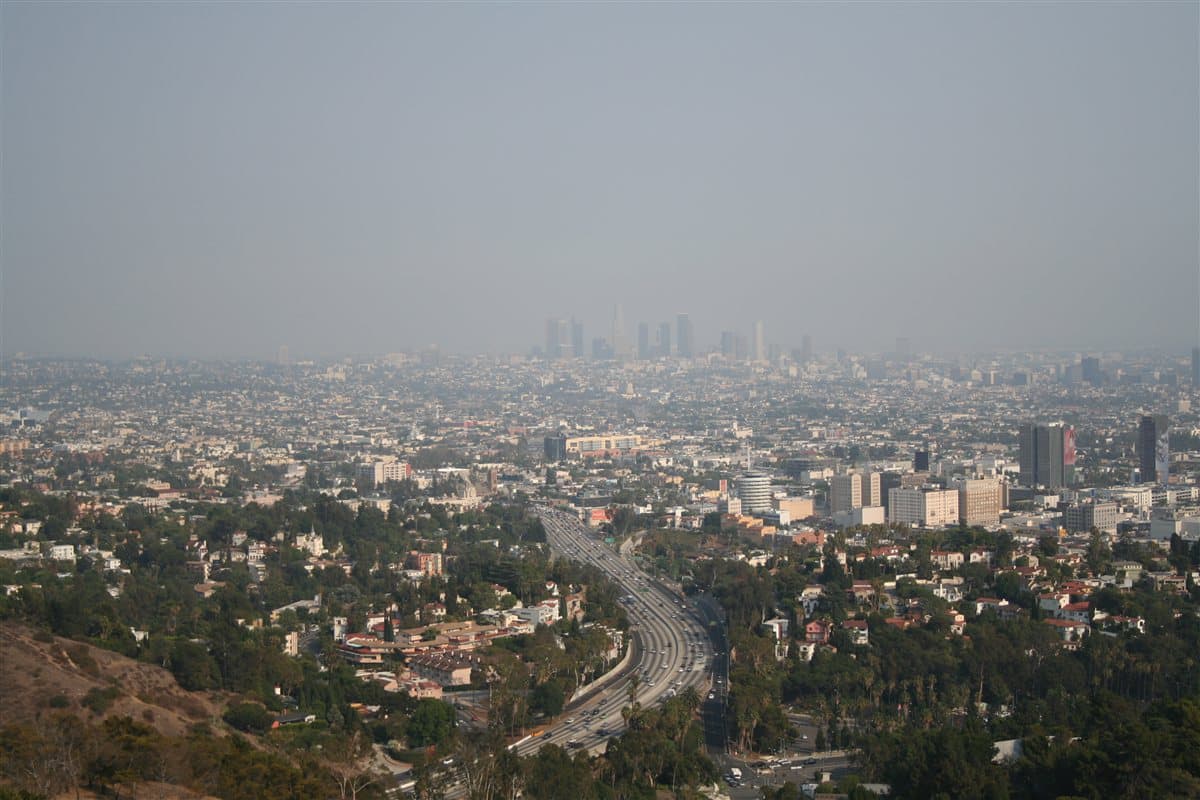
Your goal is not to find a perfect hour with zero pollution. Your goal is to avoid stacking the longest and most intense outdoor exposures into the dirtiest part of the day. That strategy is especially useful during wildfire smoke periods, ozone season, temperature inversions, and high-traffic urban days when concentrations can shift meaningfully in a few hours.
| AQI range | Category | Operational meaning | Practical action |
|---|---|---|---|
| 0-50 | Good | Air quality is generally acceptable for routine outdoor activity. | Follow normal schedule and hydration habits. |
| 51-100 | Moderate | Most people are fine, but highly sensitive individuals may notice symptoms with longer exposure. | Shorten intense activity if symptoms appear; monitor updates. |
| 101-150 | Unhealthy for Sensitive Groups | Children, older adults, and people with heart or lung conditions face higher risk. | Move exercise indoors or into cleaner hours. |
| 151-200 | Unhealthy | Population-wide health effects become more likely, especially with prolonged outdoor time. | Reduce outdoor duration and limit heavy exertion. |
| 201-300 | Very Unhealthy | Health alert conditions; exposure can affect everyone. | Postpone nonessential outdoor plans and protect indoor air. |
| 301+ | Hazardous | Emergency-level air quality risk. | Avoid outdoor exposure whenever possible. |
What AQI number is considered unsafe for outdoor activity tomorrow?
A single universal cutoff does not exist because risk depends on duration, exertion level, and individual susceptibility. A five-minute walk at AQI 90 is not equivalent to a 90-minute hard run at AQI 90. Likewise, a healthy adult and a child with asthma do not face the same risk at the same reading. The safer planning model is threshold plus context: use AQI category as your trigger, then adjust for how long and how hard you will be breathing outdoors.
For many families and teams, the practical policy is to begin modifications once AQI rises into moderate and then escalate controls as values climb. Controls can include moving activity to cleaner hours, lowering intensity, shortening duration, increasing indoor alternatives, or postponing nonessential high-exertion blocks. This approach is easier to apply than debating a single "safe" number that ignores real-world variability.
AQI planning works best when you decide your response rules before the day starts, not when symptoms begin mid-activity.
If your household includes sensitive groups, make one shared rule set and apply it consistently. That prevents confusion when conditions change quickly. It also improves compliance, because everyone knows what to do at each category without re-negotiating every event. The outcome is not only lower exposure but also smoother daily logistics.
How should you combine AQI with weather factors like heat, wind, and rain?
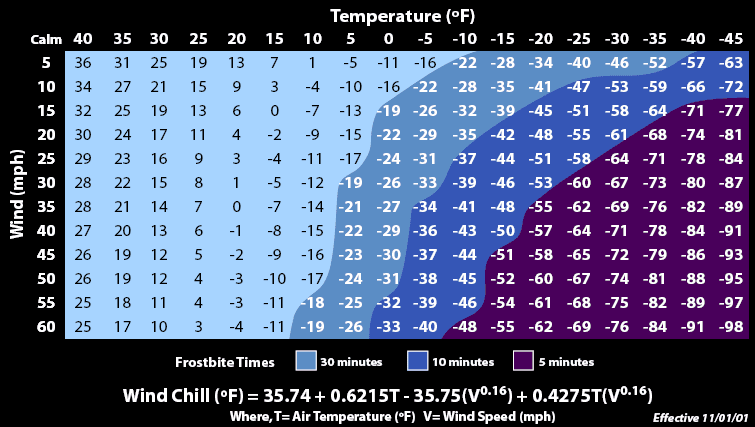
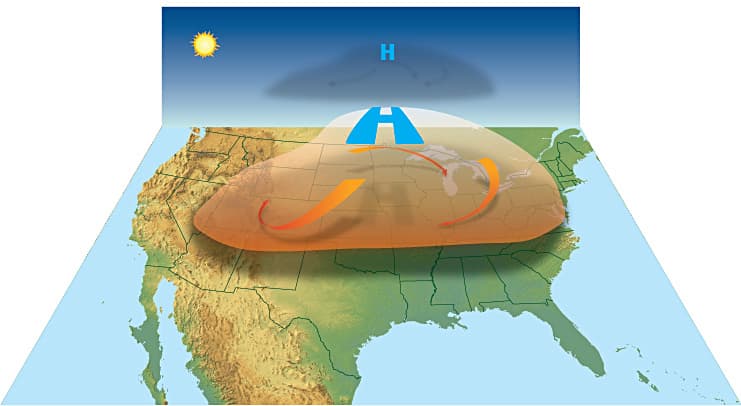
AQI alone is useful, but combined context is better. Heat can increase strain and make people less likely to maintain protective behavior during long outdoor periods. Wind can either disperse pollutants or transport smoke into your area. Rain can temporarily reduce some particle levels, then conditions can rebound depending on regional transport and local emissions. When tomorrow includes multiple stressors, your plan should respond to the combined burden, not one metric in isolation.
A practical sequence is: check hourly AQI, then check heat and precipitation timing, then finalize your outdoor windows. On this site, that means reviewing weather tomorrow overview, hourly forecast, and what to wear tomorrow so your clothing, hydration, and AQI controls align.
This integrated approach is important for workers, coaches, and parents because schedule choices have downstream effects. A one-hour shift in timing can lower pollutant dose and heat strain at the same time. Over a full season, these small timing wins add up to fewer high-exposure events and fewer disrupted plans.
| Tomorrow scenario | AQI signal | Best move | Why it works |
|---|---|---|---|
| Morning commute + school drop-off | AQI moderate early, rising by late morning | Shift walks and waits earlier; keep idling low | Lowers total exposure during peak build-up hours |
| Lunch run or outdoor workout | AQI peaks mid-afternoon | Move workout to dawn or evening | Cuts high-intensity breathing during highest concentration window |
| Youth sports practice | AQI 110-140 for two hours | Shorten drills, increase breaks, favor lighter intensity | Reduces dose for children and sensitive participants |
| Construction or delivery shift | AQI variable with wind changes | Use rotating lower-exertion tasks at higher AQI periods | Helps maintain output while reducing cumulative burden |
| Weekend family plans | Daily peak looks high but evening improves | Delay outdoor block until cleaner evening window | Preserves activity while avoiding worst exposure period |
How accurate is air quality tomorrow by zip code, and what causes misses?
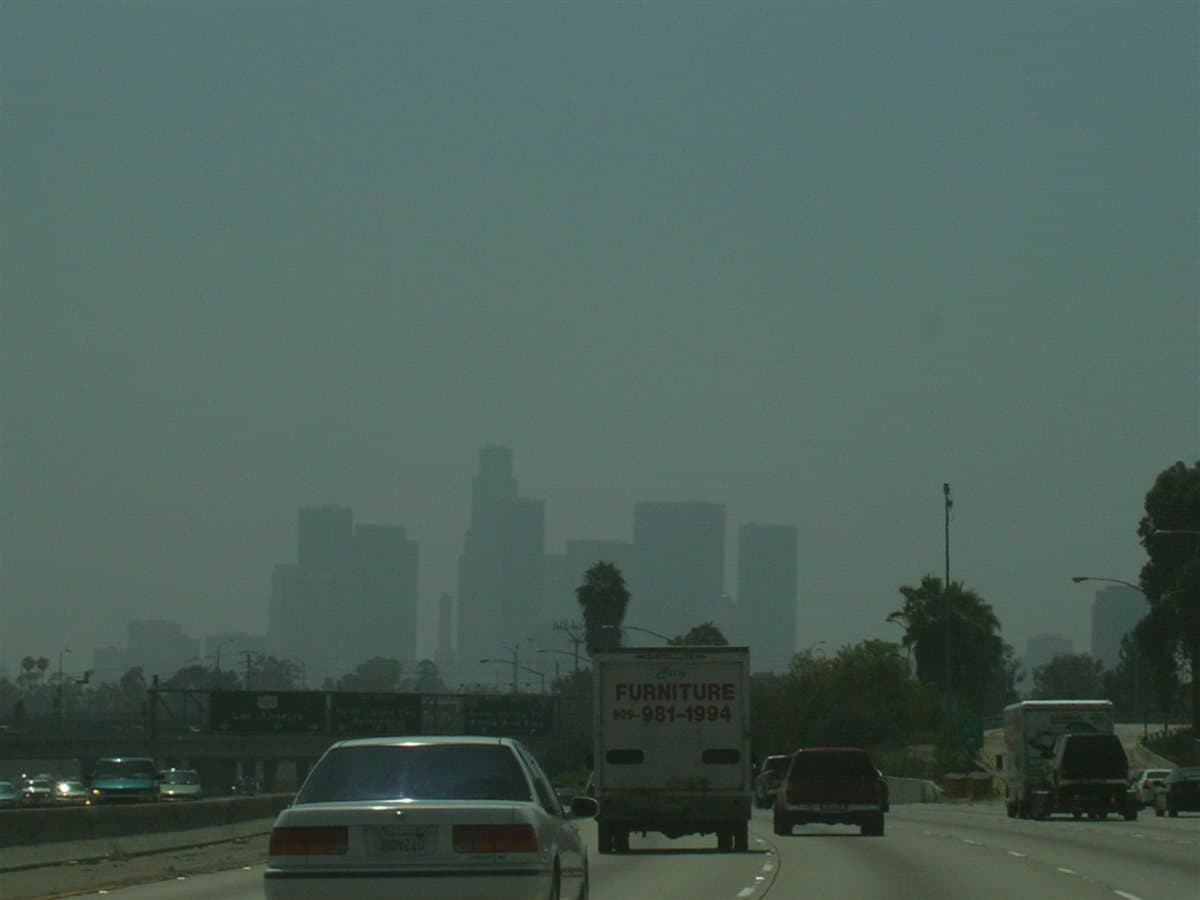
Forecast AQI is strong for direction and planning windows, but exact local outcomes can still differ from the forecast curve. The main reason is that pollutant concentrations are sensitive to local dynamics that shift rapidly: wind direction changes, atmospheric mixing, traffic pulses, nearby construction, wood smoke, and wildfire plume movement. A ZIP-level forecast gives a useful baseline, yet two neighborhoods in the same ZIP can still experience different street-level conditions.
Treat forecast AQI as your strategic plan and same-day updates as tactical confirmation. This two-layer model prevents overconfidence in one forecast run while still giving you enough lead time to protect schedules. It also helps avoid the opposite mistake, which is ignoring forecasts entirely and reacting only after symptoms appear.
If your work or training volume is high, keep a short exposure log for two to three weeks. Track ZIP, time block, activity intensity, and any symptoms or performance drop. Patterns appear quickly. Most users find that specific hours and route segments repeatedly produce worse outcomes. Once identified, those windows can be replaced with lower-risk alternatives without major lifestyle disruption.
What should sensitive groups do when AQI is elevated tomorrow?
Sensitive groups need an earlier and more conservative trigger policy. That includes children, older adults, pregnant people, and people with asthma, COPD, cardiovascular disease, or other respiratory vulnerability. For these groups, good planning is less about finding the absolute cleanest hour and more about preventing long or intense exposure at moderate-to-high AQI periods.
1. Set category-based actions in advance
Define what changes at each AQI band before the day begins. Example: at moderate AQI, shorten hard outdoor sessions; at unhealthy-for-sensitive-groups, move sessions indoors; at unhealthy and above, postpone nonessential exertion. Predetermined rules remove guesswork and improve consistency.
2. Protect duration as much as intensity
People often focus only on workout intensity, but exposure dose also depends on time. Reducing a 90-minute outdoor block to 30 minutes during elevated AQI can materially lower dose while still preserving daily routine.
3. Build indoor fallback options
Pre-plan indoor routes: treadmill sessions, indoor practice plans, or sheltered errands. The easier the fallback, the less likely you are to default to high-exposure choices when the forecast worsens.
4. Recheck before long outdoor windows
Recheck same-day AQI before any long outdoor event. Forecast guidance is valuable, but real-time shifts happen. A two-minute recheck protects the highest-risk exposures.
How should you use this page with your nightly tomorrow-planning routine?
Nightly planning works when it stays simple enough to repeat every day. First, check projected AQI by ZIP and identify your likely high-risk window. Second, lock unavoidable events such as commute, school, and work start times. Third, move optional outdoor blocks into cleaner windows. Fourth, align clothing and hydration for the same windows so your full weather plan is coherent.
This routine reduces friction because you are making decisions once, in a calm context, instead of making rushed choices all day. It also helps families and teams communicate clearly. When everyone follows the same forecast-based schedule, there are fewer last-minute changes and fewer disagreements about whether conditions are "good enough."
For frequent outdoor planners, add a one-minute end-of-day review: what window worked, what window felt worse than expected, and what should change tomorrow. Over two weeks, this creates a high-value personalized protocol that outperforms generic advice.
FAQ: air quality tomorrow by zip code
How do I check air quality tomorrow by zip code?
Check your zip code against an hourly AQI forecast, not only a daily peak value. The hourly pattern tells you when exposure risk is lowest for commuting, exercise, and family activities.
What AQI is unsafe to be outside?
Risk rises as AQI increases, and sensitive groups should begin protective actions earlier than the general public. In practice, outdoor plans often need adjustment once AQI moves into moderate or higher bands for long exposure windows.
How accurate is tomorrow's AQI forecast by zip code?
AQI forecasts are useful for planning windows and trend direction, but local conditions can still shift with wind, traffic, wildfire smoke, and weather changes. Treat forecast values as decision support, then validate with same-day updates before long outdoor blocks.
Does rain improve air quality tomorrow?
Rain can temporarily lower some particle concentrations, but it does not guarantee clean air for the whole day. Ozone chemistry, transport patterns, and post-rain rebound can still produce unhealthy periods later.
What should sensitive groups do when AQI is high tomorrow?
Sensitive groups should reduce exposure duration, move activity to lower-AQI hours, and favor indoor environments with cleaner air filtration. Planning the schedule the night before usually prevents avoidable high-exposure windows.
Authoritative references
For official AQI categories and health interpretation, review AirNow AQI basics, AirNow air quality lookup (EPA and partners), and CDC air quality health guidance.