
UV index tomorrow by zip code: how to plan safer outdoor hours
UV index tomorrow by zip code tells you when sun intensity is likely to be highest so you can move high-exposure tasks into lower-risk windows. The largest risk reduction usually comes from combining hourly UV timing with shade strategy, protective clothing, and sunscreen reapplication intervals.
UV index tomorrow by zip code is a planning signal, not a trivia number, and the fastest way to use it is to pair your expected outdoor hours with the hourly UV ramp before you leave home. If you already check our weather tomorrow by hour, best time outside, and what to wear forecast, this guide adds a UV-specific workflow so your commute, sports, errands, and family plans are built around exposure dose, not just temperature.
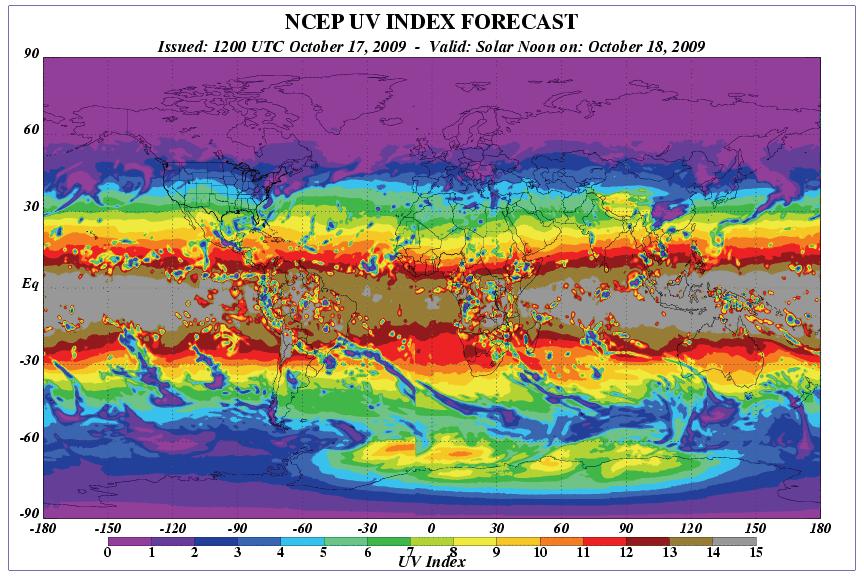
How should you use uv index tomorrow by zip code for daily planning?
The most common mistake is checking the daily maximum UV value and assuming the entire day has the same risk. In practice, UV changes by hour, and your dose depends on timing, exposure duration, and surface reflection. A better method is to map your day into three or four blocks: commute and school drop-off, midday obligations, afternoon activity, and evening tasks. Then assign each block a UV action level: full protection, moderate protection, or maintenance protection.
This planning model works because it turns one abstract value into concrete decisions. If the peak UV window overlaps lunch hour, you can move a workout earlier or later. If your child has outdoor practice at peak UV, you can adjust arrival timing, clothing, and hydration so exposure load drops without canceling the day. If your job includes outdoor labor, you can add shade breaks and reapplication reminders at the exact hours that matter most.
EPA guidance for UV planning emphasizes the UV Index as a practical public-health tool and recommends protective actions as index values rise. CDC sun safety guidance reinforces the same point: timing, shade, clothing, and sunscreen are complementary controls, not either-or choices. Use that framework every evening before your next day starts, the same way you already use rain timing and wind forecasts for route planning.
| UV index band | Risk category | What it means operationally | Action for tomorrow |
|---|---|---|---|
| 0-2 | Low | Most people can stay outside with basic caution; sunglasses remain useful. | Use sunglasses and monitor sensitive skin if outdoors for long periods. |
| 3-5 | Moderate | UV protection is recommended, especially around midday. | Apply broad-spectrum SPF, use a hat, and seek partial shade near midday. |
| 6-7 | High | Unprotected exposure can lead to skin damage faster than many people expect. | Limit long direct exposure, reapply sunscreen, and schedule lower-risk windows. |
| 8-10 | Very High | Sunburn risk rises quickly, especially with reflective surfaces. | Use full protection strategy and keep direct midday exposure short. |
| 11+ | Extreme | Very rapid damage risk for unprotected skin and eyes. | Prioritize shade and protective clothing; minimize direct sun time. |
When you convert UV levels into block-by-block actions, the forecast becomes useful for real behavior change rather than passive awareness.
What time is uv index highest tomorrow in most US ZIP codes?
In many locations, the highest hourly UV index tomorrow occurs near solar noon, often in the late morning through mid-afternoon window. That range is broad because the exact peak shifts with latitude, season, cloud cover, and air quality. What matters operationally is not the single highest hour, but your cumulative exposure in the two to four hours around the peak.
If your schedule is flexible, move high-duration activities to a lower UV block and keep peak-window exposure short. If your schedule is fixed, build a protective sequence: apply sunscreen before exposure, use a wide-brim hat and UV-blocking eyewear, and take timed shade breaks. This sequence is especially important for school pickup lines, field practices, lunch-hour runs, and construction or delivery workflows where people assume they are outdoors too briefly to matter.
The highest-risk UV hour is important, but your total dose across repeated moderate-to-high hours is what usually drives preventable skin and eye stress.
For schedule decisions, pair this UV workflow with our tomorrow weather summary so temperature and UV controls stay aligned. Hot days can increase dehydration and reduce how consistently people reapply sunscreen, so combine hydration and UV reminders in the same routine.
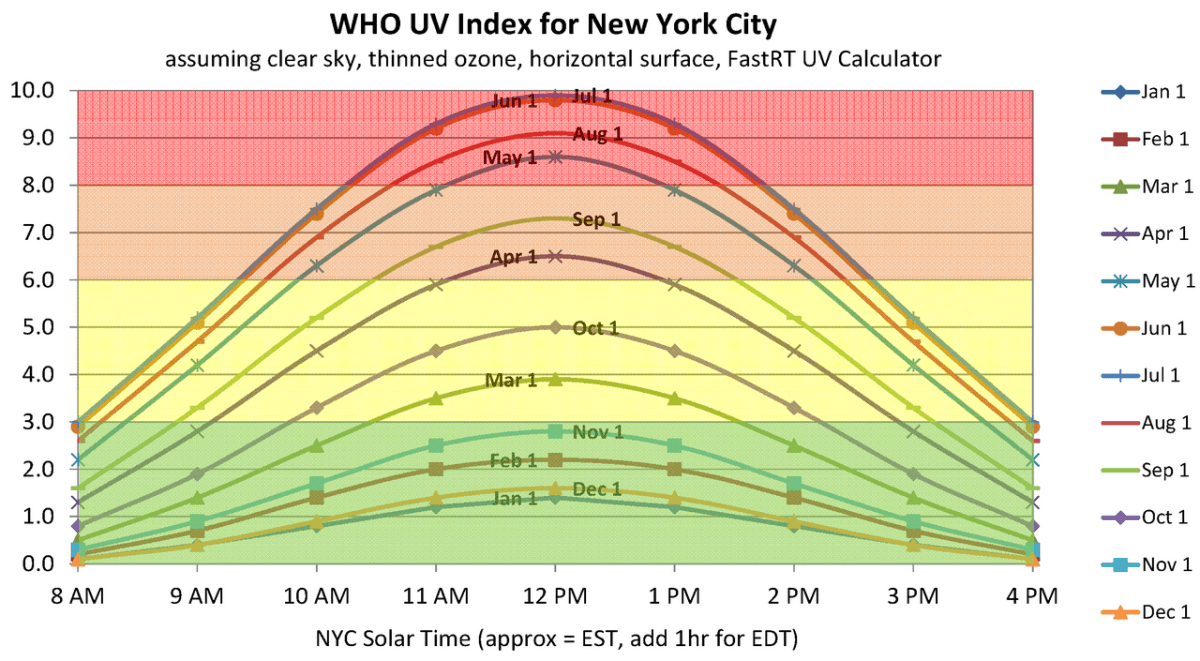
How accurate is an hourly uv forecast tomorrow by ZIP code?
Hourly UV forecasts are generally strong for directional planning, especially when you use them to compare relative risk windows across the day. They are less reliable as a guarantee for a specific minute at a specific street corner. Urban canyons, reflective glass, concrete, water, snow, elevation, and cloud breaks can all change actual surface exposure compared with the area-level model.
The best way to improve practical accuracy is to combine forecast values with your own repeated exposure context. Keep a simple log for two to three weeks: ZIP code, hour, activity type, cloud conditions, and whether you used protection. Most people quickly identify high-risk patterns such as midday sideline coaching, reflective waterfront routes, or long school events without shade. This lightweight audit turns a public forecast into a personalized control system.
If you need conservative planning, assume real exposure can be higher than forecast during bright conditions with reflection or intermittent cloud breaks. That assumption prevents under-protection on days that look moderate in the app but feel severe on the ground.
| Planning context | Forecast confidence | Typical uncertainty source | Safer interpretation |
|---|---|---|---|
| Citywide timing blocks | High | Normal model spread | Use for schedule shifts and broad planning |
| Neighborhood route planning | Medium | Shade differences and built environment | Add route-level shade and reflection checks |
| Exact minute-level exposure | Lower | Cloud edges and microclimate shifts | Plan conservatively and use stronger protection |
Does cloud cover lower uv index tomorrow enough to skip protection?
Cloud cover can reduce UV intensity, but it does not reliably remove risk. Thin clouds frequently transmit meaningful UV, and broken cloud fields can create short high-intensity intervals when sunlight passes through gaps. This is why people can still burn on bright overcast days when they feel cooler and assume conditions are safe.
The safer rule is simple: if forecast UV reaches 3 or higher during the hours you will be outside, keep protection in your plan regardless of cloud headlines. Build your workflow around expected exposure duration, not sky appearance from one glance out the window.
Reflection can further complicate cloudy-day assumptions. Water, sand, concrete, glass, and especially snow can increase effective exposure around your face and eyes even when direct sunlight feels muted. If tomorrow includes reflective settings, raise your protection level one step above your default routine.
How should skin type and activity change your uv exposure plan?
There is no universal safe-duration rule that works for every person. Skin tone, history of sun sensitivity, medications, altitude, and activity intensity all affect how quickly UV load becomes a problem. Instead of asking for one number, build a risk-adjusted budget: short direct blocks during higher UV, more shade transitions, and stricter reapplication timing for sweat-heavy activities.
Team and family planning benefits from assigning a highest-sensitivity profile first. If one child, athlete, or worker in your group burns quickly, set the entire schedule around that risk profile. This avoids fragmented routines where one person is protected and others drift into overexposure.
| Profile | Typical risk trend | Planning adjustment | Execution checkpoint |
|---|---|---|---|
| High sensitivity / burn-prone | Faster irritation and burn under moderate-to-high UV | Shorten midday exposure and increase shade intervals | Pre-apply protection before leaving home |
| Moderate sensitivity | Cumulative dose drives symptoms over longer blocks | Keep midday tasks brief and layered protection active | Set reapplication timer during extended activity |
| Lower perceived sensitivity | Risk often underestimated during sports or work | Plan by UV category, not by comfort feeling | Audit exposure duration at end of day |
This structured approach helps you answer practical questions like how long you can stay outside at UV 8, without pretending one exact number fits all people and all locations.
What should your nightly uv planning workflow look like?
1. Check UV peak and hourly slope
Start with tomorrow's peak category and identify when UV begins to climb rapidly. This gives you your primary risk window.
2. Cross-check weather multipliers
Use hourly weather and rain probability to flag conditions that alter behavior, such as hot dry wind or reflective wet surfaces after rain.
3. Lock fixed obligations first
Anchor immovable events like commute, school, and shifts, then move flexible activities into lower-risk windows.
4. Prepare protection logistics
Stage sunscreen, hat, eyewear, and hydration so compliance is easy when timing gets tight. Logistics failures, not knowledge gaps, cause most preventable exposure.
5. Run a one-minute post-day review
Note where exposure overshot plan and adjust the next day. Two weeks of small adjustments can materially reduce repeat overexposure.
| Tomorrow scenario | UV signal | Best move | Reason |
|---|---|---|---|
| Morning commute and school drop-off | Rising from low to moderate | Use sunscreen before leaving and favor shaded walking routes. | UV ramps quickly in late morning, so pre-application matters. |
| Lunch break walk or outdoor errand | Near daily peak | Shorten route, wear hat/sunglasses, and prioritize shade segments. | Midday UV load is often the highest exposure window. |
| Afternoon sports or training | Still high in many seasons | Split sessions with indoor breaks and reapply sunscreen by schedule. | Cumulative dose can remain high even after peak hour passes. |
| Evening yard work | Declining to moderate/low | Use lower-risk window but keep eye protection and hydration. | Lower UV does not equal zero risk during long exposure. |
How do season and geography change uv risk tomorrow?
UV planning by ZIP code gets more accurate when you account for latitude and season. Southern latitudes often maintain stronger UV levels over more months, while northern areas can still hit intense summer peaks despite lower winter values. Elevation also matters: mountain locations can produce higher effective exposure than many people expect from temperature alone.
Travel days are where this matters most. A routine that works in one ZIP can under-protect you in a higher-elevation or lower-latitude destination. If tomorrow includes a route change, airport transfer, ski trip, beach day, or water exposure, increase protection one level above your home routine until you verify local hourly values.
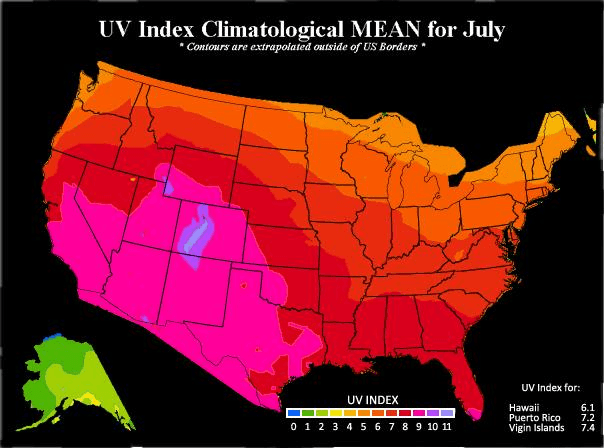
The practical takeaway is to avoid static assumptions like "it is not summer yet" or "it feels cool so UV is low." Forecast-driven planning outperforms intuition, especially during shoulder seasons when behavior and UV intensity are often misaligned.
FAQ: uv index tomorrow by zip code
How accurate is uv index tomorrow by zip code?
It is usually accurate enough for planning outdoor timing, but it is still a forecast, not a guarantee for one exact minute on one exact block. Microclimate factors such as elevation, reflective surfaces, and local cloud breaks can make real exposure higher or lower than the area forecast.
What time is uv index highest tomorrow?
In most US locations, UV is strongest around solar noon, often between roughly 10 AM and 4 PM local time, with the highest hour near midday. Exact timing shifts by season, latitude, and cloud cover, which is why checking hourly values is more useful than checking only a daily peak.
Does cloud cover lower uv index tomorrow?
Clouds often reduce UV exposure, but not always enough to skip protection. Thin or broken clouds can still allow substantial UV through, and occasional edge-of-cloud effects can briefly increase surface UV intensity.
What UV index level requires sunscreen?
Public-health guidance commonly recommends protection at UV Index 3 or higher. At that threshold, practical protection means sunscreen, protective clothing, shade planning, and shorter continuous exposure windows.
How long can you stay outside at UV 8?
There is no single safe duration for everyone because skin type, altitude, reflection, and medication sensitivity all matter. At UV 8, unprotected skin can burn quickly for many people, so treat long direct exposure as high risk and use layered protection plus timed breaks.
Authoritative references
For official UV guidance and prevention context, review EPA UV Index guide, CDC sun safety recommendations, WHO UV index Q and A, and American Cancer Society UV protection guidance.