
Severe Weather Alerts
Tornado watch vs warning: what to do when alerts change
Tornado watch vs warning comes down to action: a watch means severe storms could produce tornadoes and you should prepare, while a warning means a tornado is imminent or already happening and you need shelter now. The safest response is to choose your shelter and alert sources during the watch so there is no hesitation once a warning reaches your location.
Tornado watch vs warning is not just weather jargon; it tells you whether you still have preparation time or whether the shelter window has already opened. If you already use this site's watch, warning, and advisory explainer and weather alerts on phones guide, this page narrows the focus to tornado-specific timing, shelter choices, and the exact moment when a severe weather alert stops being something you monitor and becomes something you obey immediately.
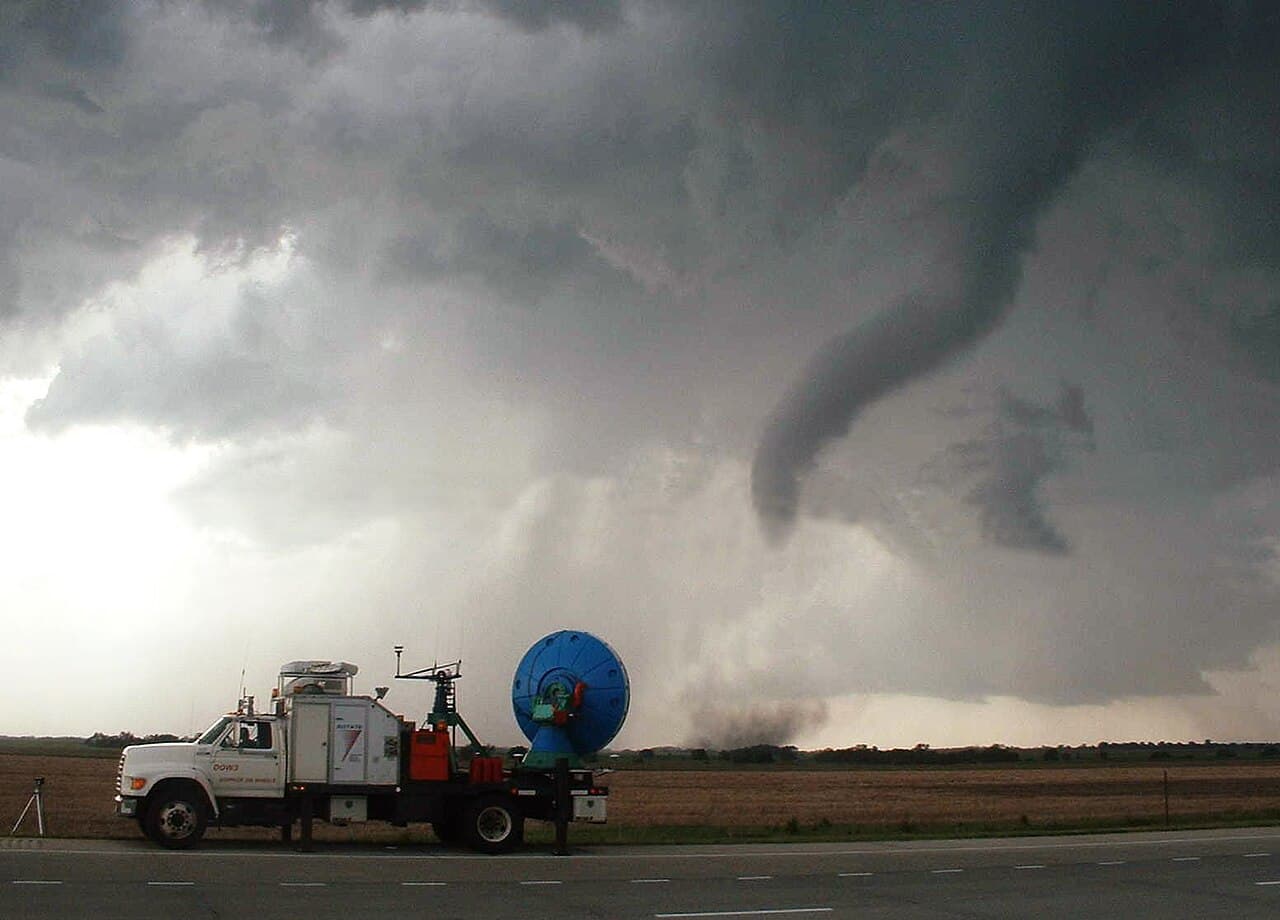
Quick comparison: what each alert tells you to do
Action first, detail second| Alert | Issued by | Meaning | Typical footprint | What you do |
|---|---|---|---|---|
| Tornado Watch | Storm Prediction Center (SPC) | Thunderstorms may organize in a way that can produce tornadoes. | Usually a broad regional area for several hours. | Finalize your safe place, alert plan, and schedule changes. |
| Tornado Warning | Local National Weather Service forecast office | A tornado is indicated by radar or reported by spotters. | Smaller warning polygons or counties for a short-fuse event. | Take shelter immediately and protect your head and neck. |
| Tornado Emergency | Local National Weather Service forecast office | A confirmed violent tornado is threatening a populated area. | A rare escalation inside the warning workflow. | Treat as highest urgency and stay in the safest available shelter. |
The same storm system can produce a long watch period and then a short warning period. The alert level changes because the decision window changes.
What is the difference between a tornado watch and a tornado warning?
The simplest answer is that a tornado watch is a readiness signal and a tornado warning is a shelter signal. The Storm Prediction Center uses watches when atmospheric ingredients such as instability, wind shear, and storm structure suggest tornadoes are possible over a broader area during the next several hours. Local National Weather Service offices use warnings when radar or trained spotters indicate that a tornado is likely or already on the ground in a smaller, more immediate area.
That difference matters because people often treat both alerts as background noise, especially on spring afternoons when multiple notifications arrive. A watch tells you to finish the work that is hardest to do later: pick the safest room, move family or coworkers off the road if you can, charge phones, and decide which warning sources you trust. A warning means the planning phase is over. You do not stay on the porch to see the sky, and you do not keep refreshing radar until the storm is closer. You move.
People also mix up tornado alerts and severe thunderstorm alerts, because both often happen on the same day. The site's broader alert terminology article covers the whole alert system. Tornado alerts are not simply more dramatic labels; they require tighter timing, a more disciplined shelter plan, and less tolerance for waiting until you have visual confirmation.
Who issues a tornado watch vs warning, and why do watch areas look larger?
A tornado watch is usually issued by the NOAA Storm Prediction Center, which looks at the larger-scale storm environment across multiple counties or states. That is why watch maps often cover a much broader area than the storm you eventually care about. They are built around the question, "Could storms in this region become tornadic today?" rather than "Is a tornado already headed toward this street?"
Tornado warnings come from local forecast offices because the decision is hyper-local and short-fuse. Forecasters use radar velocity signatures, debris signatures, spotter reports, and law-enforcement or emergency-management confirmations to decide whether a smaller warning polygon needs to be drawn. That local focus is also why warning text often carries the details that actually change behavior: specific towns in the path, motion, arrival timing, and whether the tornado is radar-indicated or confirmed.
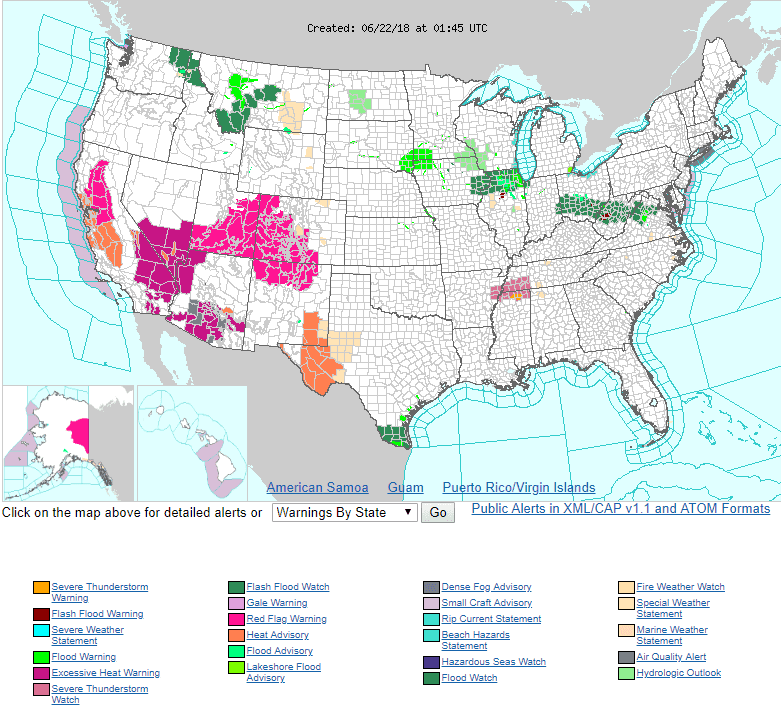
Once you understand the issuer, the footprint difference stops being confusing. A watch is broad because the atmosphere is broad. A warning is tighter because the immediate hazard is tighter. The national hazard map on the National Weather Service home page shows the same thing: the large-area setup first, then the local warning geometry that tells you who needs to move right now.
What should you do during a tornado watch?
A tornado watch is when you reduce decision latency. That phrase sounds technical, but the household version is simple: remove the small delays that become dangerous later. Decide where everyone goes, put shoes on or nearby, charge devices, review how warnings will reach you, and avoid starting anything that would trap you in a vulnerable place when storms intensify. Watches are often several hours long, which tempts people to drift back into routine. The smarter move is to keep routines flexible while the watch is active.
This is also the moment to think beyond your own room. Children may be at school, one parent may be driving, a grandparent may need help getting downstairs, or a coworker may not know where the interior shelter area is. The site's household weather readiness checklist is useful here because tornado readiness depends as much on coordination and communication as it does on a basement or closet.
- Choose the safest room you can reach quickly: basement, storm shelter, or small interior room on the lowest floor.
- Turn on at least two warning channels so a single missed notification does not become your failure point.
- Delay nonessential driving, especially if storms are expected near commute, school pickup, or evening travel windows.
- Move pets, helmets, flashlights, and phone chargers closer to the shelter area.
- Review who needs a call or text if the watch upgrades to a warning while they are away from home.
What should you do when a tornado warning is issued?
When a tornado warning is issued for your location, the safest default is immediate shelter in the strongest, lowest, most interior space available. National Weather Service tornado safety guidance and Ready.gov tornado guidance align on the core actions: go to a basement, storm cellar, or safe room if one exists; otherwise move to a small interior room on the lowest floor away from windows; then protect your head and neck from flying debris.
This is not the phase for checking social media or stepping outside to confirm the storm visually. Many tornadoes are rain-wrapped, nighttime storms hide visual clues, and strong straight-line wind plus hail can make the outside environment dangerous before the tornado itself arrives. A warning means the evidence threshold has already been crossed by radar or spotter information. Your job is not to verify the science; your job is to lower your exposure.
If the warning arrives while you are at work, school, or a public venue, move to the pre-identified shelter area immediately and follow the site lead or building procedure. The most common mistake in public buildings is drifting toward glass, large open rooms, or exterior hallways because those spaces feel familiar. Tornado shelter choices are often counterintuitive: smaller, more enclosed, more interior, and more structurally protected is usually better.
Where is the safest place during a tornado warning?
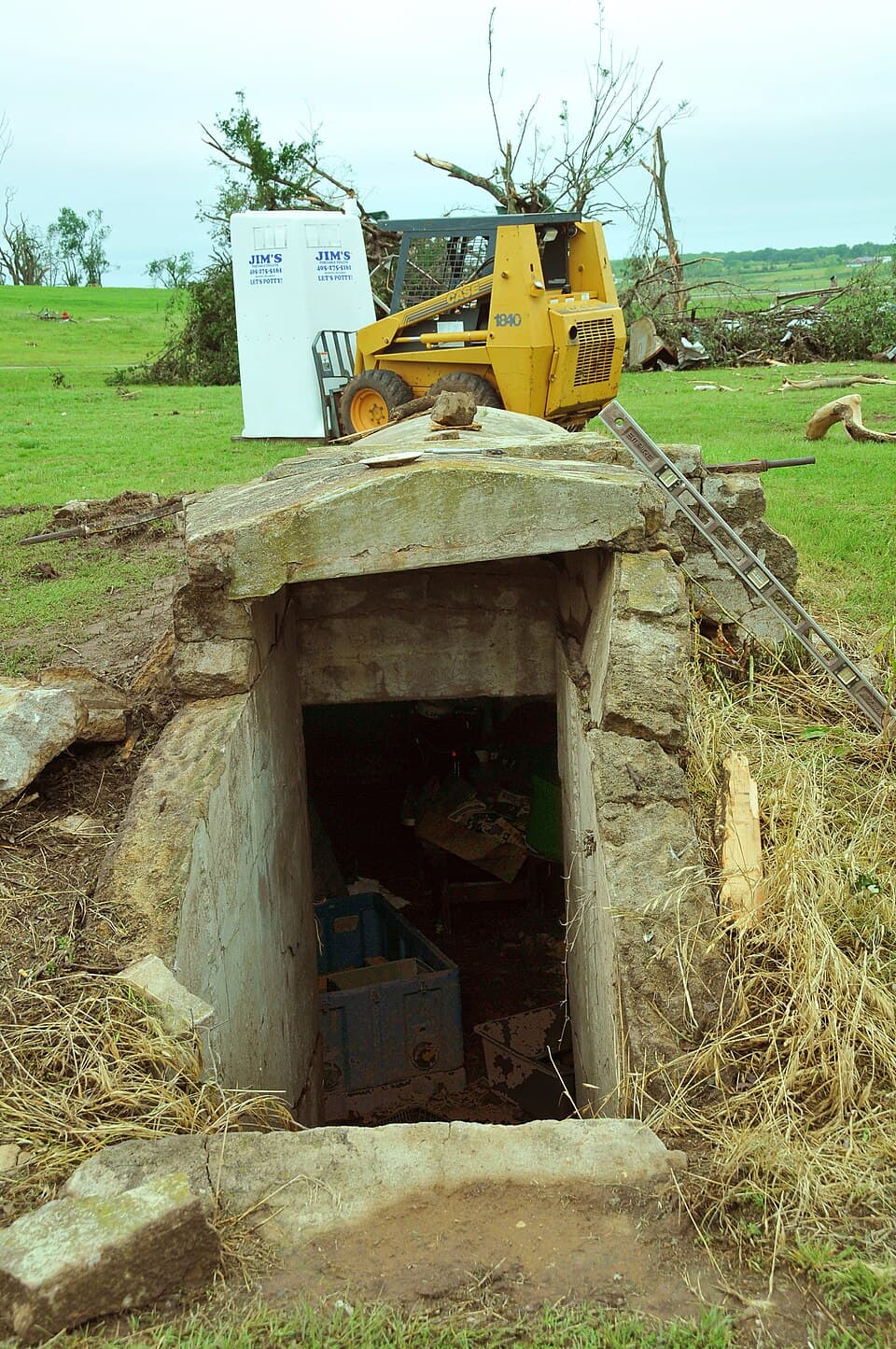
The safest place is a basement, storm cellar, or properly built safe room. If you do not have one, the next-best option is a small interior room, closet, or hallway on the lowest floor of a sturdy building, as far from windows and exterior walls as you can reasonably get. The question is not where you feel most comfortable. It is where debris has the hardest time reaching you.
Manufactured homes and vehicles change the equation because they are more vulnerable to tornado winds and debris. Official NWS tornado safety pages repeatedly warn that mobile homes, cars, and overpasses are not safe substitutes for a real shelter plan. If your normal home or route includes one of those exposures, the watch period needs to include an alternate destination such as a nearby sturdier building, community shelter, or workplace safe room.
This is why the phrase "safest available place" matters. In a perfect setup, everyone has a basement. In the real world, many people need a practical fallback that is close enough to reach when the warning arrives. Choose that fallback early. Nighttime tornadoes, wrapped rain cores, and fast-moving lines punish last-minute improvisation.
Good shelter choices are decided before the storm. The warning itself should trigger movement, not debate.
How do phones, sirens, and NOAA Weather Radio fit together?
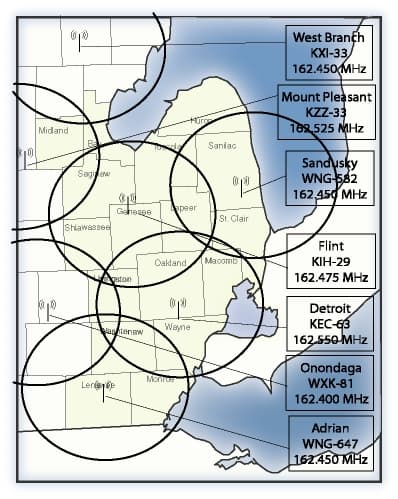
Tornado alerting works best as a layered system, not a single device. Wireless Emergency Alerts are valuable because they arrive automatically on compatible phones in warned areas without requiring sign-up, which makes them excellent for short-fuse events. But phones fail, sleep, lose battery, or get left in another room. That is why households in tornado-prone areas often add a NOAA Weather Radio receiver or at least a second alert source.
NOAA Weather Radio broadcasts watches and warnings around the clock through a nationwide transmitter network, which is one reason the site's Weather Radio setup guide and WEA explainer complement each other. One channel is easy; redundant channels are resilient. Outdoor sirens can still help, especially if you are outside, but they are not a complete indoor alert strategy and should not be the only thing standing between you and a warning.
The operational goal is simple: at least two independent ways to learn that a warning has been issued for your location, and at least one of those methods needs to work at night. For many families that means phone plus weather radio. For others it means phone plus TV station push alerts, or phone plus a trusted local emergency-management app. The exact combination matters less than the redundancy.
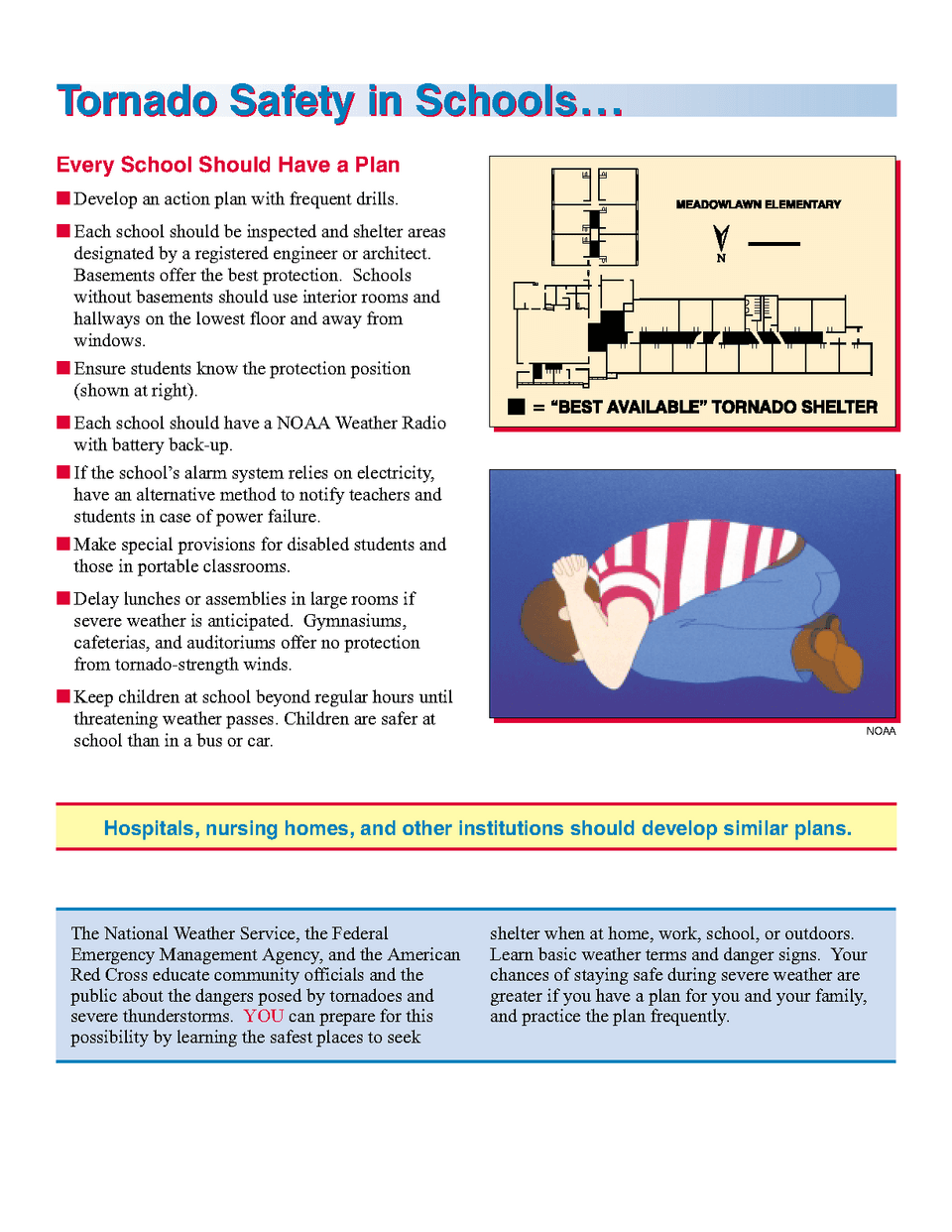
What should schools, offices, and families do before the warning arrives?
The biggest organizational mistake is assuming the warning itself will create order. In reality, warnings compress time. If a school, employer, youth sports program, or household has not already decided where people go, who is responsible for mobility-limited occupants, and how attendance is confirmed after sheltering, the warning period gets spent on confusion instead of protection.
That is why watch periods are operational gold. They are long enough to postpone a meeting, hold students a few minutes longer, cancel an unnecessary trip, or move an event indoors before the threat becomes immediate. They are also the right time to think about nighttime exposure. Clothes, shoes, flashlights, chargers, and weather radios matter more when your first notice arrives after you are already asleep.
The site's severe-weather content tends to repeat the same discipline because it works across hazards: decide thresholds early, reduce travel during the uncertainty window, and make sure the person with the least weather knowledge still knows exactly what to do. Tornadoes punish ambiguity more than many hazards because the lead times are shorter and the wrong shelter choice can be catastrophic.
- Mark primary and backup shelter locations in plain language.
- Assign who helps children, visitors, or mobility-limited occupants.
- Keep a nighttime path clear so sheltering does not start with stumbling and delays.
- Decide which events will be canceled, delayed, or moved once a watch is issued.
What is a tornado emergency, and how is it different from a warning?
A tornado emergency is not a separate product that replaces the warning. It is a rare escalation inside the tornado warning workflow that forecasters use when a confirmed violent tornado is threatening a populated area. The official National Weather Service glossary describes it as an exceedingly rare situation, which is why the phrase gets immediate attention when it appears in warning text or broadcasts.
The practical meaning is straightforward: if you are already supposed to shelter during a normal tornado warning, a tornado emergency means the expected consequences are even worse and the confidence is even higher. It is not a cue to collect more evidence. It is a cue to stay in the best shelter you have and treat every minute seriously.
This distinction matters because many people assume there is a three-step ladder where watch means low, warning means medium, and emergency means high. In practice, warning already means life-threatening action time. Emergency is the rare case where forecasters want the public to understand that the ongoing warning represents an especially destructive and confirmed scenario.
Bottom line for the next severe weather day
Tornado watch vs warning is really a question about timing and obedience. Use the watch to choose shelter, reduce travel, and turn on redundant alert channels. Use the warning to move now, protect your head and neck, and stay sheltered until the threat is gone.
If your current plan depends on seeing the tornado, hearing one outdoor siren, or deciding on a shelter room after the notification arrives, the plan is late. The alert system works best when the watch has already removed hesitation before the warning ever reaches your phone.